

Portugal citizenship has become a long term goal for many foreign nationals who want stable rights within the European Union. Unlike temporary permits, Portuguese citizenship provides lifelong legal status with no renewal requirements. It allows individuals to fully integrate into Portuguese society while gaining EU wide mobility. Because laws and eligibility rules can change, understanding the current framework is essential before starting the process.
Many applicants first compare citizenship vs permanent residency to decide which option fits their plans. Permanent residency allows long term stay but still comes with renewal rules and absence limits. Citizenship removes these limits and grants full political and civil rights. This distinction is one of the main reasons people choose to pursue Portugal citizenship rather than remain residents.
Key points to understand early
- Portuguese Citizenship is permanent and does not expire
- No renewal or minimum stay rules after approval
- Stronger rights than permanent residency
- Full legal equality with Portuguese nationals
Why Portugal Citizenship Is Considered a Strong Option
Portuguese citizenship offers rights that extend far beyond Portugal itself. As an EU nationality, it allows citizens to live, work, and study in all European Union and EEA countries without additional permits. Portuguese passport holders also enjoy visa free or visa on arrival access to more than 190 destinations worldwide. These travel and mobility rights remain permanent regardless of where the citizen later lives.
Another reason Portugal citizenship is attractive is access to public services. Citizens can use the national healthcare system, enroll in public education, and work without restrictions. Employment opportunities are not limited to Portugal, which gives added security during economic changes. For many applicants weighing citizenship vs permanent residency, these permanent rights make Portuguese citizenship the more practical choice in the long run.
Why applicants choose Portuguese Citizenship
- EU wide freedom to live and work
- Strong global travel access
- Lifetime legal status
- Full access to healthcare and education
Benefits of Portuguese Citizenship
Portuguese Citizenship provides a wide range of legal, social, and economic benefits that go beyond residency rights. Once granted, citizenship is permanent and cannot be revoked due to absence or employment changes. Citizens gain full equality under Portuguese law, regardless of where they originally came from. These benefits extend not only within Portugal but across the European Union.
One of the most valued benefits of Portugal Citizenship is unrestricted mobility. Citizens can live, work, study, or retire in any EU or EEA country without visas or permits. This freedom applies equally to employment, business setup, and education. For families, these rights also extend to future generations through descent.
Access to public services is another major advantage of Portuguese Citizenship. Citizens can use Portugal’s national healthcare system, enroll in public schools and universities, and access social protection programs. Employment is not tied to permits or sponsors, which adds long term security. These benefits make Portuguese Citizenship appealing for individuals seeking stability rather than temporary residence.

Citizenship vs Permanent Residency in Portugal
Understanding Citizenship vs Permanent Residency is critical before choosing a long term status in Portugal. Permanent residency allows extended stay but remains conditional. Residents must renew permits, maintain legal status, and respect absence limits. Citizenship removes all of these obligations.
Permanent residents may lose their status if they spend long periods outside Portugal or fail to renew documents on time. Portuguese Citizenship has no such restrictions. Citizens can live abroad indefinitely without affecting their legal status. This makes citizenship a more secure option for people with international careers or multiple residences.
Another key difference in Citizenship vs Permanent Residency is political and legal rights. Permanent residents cannot vote in national elections or hold certain public positions. Citizens gain full voting rights and legal recognition as Portuguese nationals. Employment options are also broader under Portuguese Citizenship, as there are no restrictions tied to residency permits.
Main differences between Citizenship and Permanent Residency
- Citizenship is lifelong, residency is conditional
- No renewal or absence limits with citizenship
- Full voting and political rights for citizens
- Easier family transmission through citizenship
Legal Pathways to Portuguese Citizenship
There are several legal routes to obtain Portuguese Citizenship, each designed for different personal circumstances. Applicants may qualify through family ties, marriage, long term residence, or special historical connections recognized by law. Every route follows the Portuguese Nationality Law and requires official documentation to prove eligibility. Choosing the correct pathway early helps avoid delays and rejected applications.
The most commonly used path is naturalization through legal residence, but it is not the only option. Some applicants qualify without ever living in Portugal, while others must complete a defined residence period. Rules differ depending on the route, particularly around language requirements and proof of connection to Portugal. Understanding these distinctions is essential when comparing Citizenship vs Permanent Residency.
Portuguese Citizenship Through Marriage or Partnership
Portuguese Citizenship can be granted to foreign nationals married to or in a long term partnership with a Portuguese citizen. The relationship must generally last at least three years to qualify. Unlike residency based routes, there is no minimum requirement to live in Portugal before applying. This makes it one of the more accessible options under Portuguese law.
Applicants must show that the relationship is genuine and that they have a real connection to the Portuguese community. Marriage certificates, partnership registration, and supporting documents are reviewed carefully. Even if the relationship ends after the application is submitted, eligibility may still remain valid. For many applicants, this route offers a clear alternative to Citizenship vs Permanent Residency based on residence alone.
Portuguese Citizenship by Descent and Naturalization
Portuguese Citizenship by descent applies to individuals with a Portuguese parent or grandparent. This route is based on lineage rather than residence and requires official birth records proving family ties. Applicants do not need to live in Portugal, which makes this option faster when documentation is complete. It is one of the strongest routes under Portuguese nationality law.
Naturalization, on the other hand, is based on legal residence in Portugal. Under current law, most applicants must complete five years of legal residence, though proposed changes may extend this period. Language proficiency and a clean criminal record are mandatory. For long term residents, naturalization remains the most common way to secure Portuguese Citizenship permanently.
Portugal Citizenship by Investment Explained
Portugal Citizenship by Investment does not grant nationality immediately but follows a residency first model. This route is commonly known through the Portugal Golden Visa program, which allows non EU nationals to obtain legal residence by making a qualifying investment. After maintaining legal residence for the required period, applicants may apply for Portuguese Citizenship under the standard naturalization rules. This approach combines flexibility with long term security.
The Golden Visa is often chosen by investors who do not plan to live full time in Portugal. Physical presence requirements are limited compared to other residency routes. Applicants must maintain their investment and comply with residency conditions throughout the qualifying period. When comparing Citizenship vs Permanent Residency, this route is often viewed as a bridge that leads to full citizenship rights.
How the Portugal Golden Visa Leads to Citizenship
The Portugal Golden Visa grants legal residence that counts toward Portuguese Citizenship eligibility. Under current law, five years of legal residence are required before applying for citizenship, though future legal changes may extend this period. During this time, Golden Visa holders must maintain valid residence permits and meet minimum stay requirements. These years are counted as legal residence for nationality purposes.
Golden Visa holders must also meet the same citizenship requirements as other applicants. This includes proving basic Portuguese language knowledge and maintaining a clean criminal record. The investment itself does not guarantee citizenship but enables access to the legal residence needed to apply. For many applicants, this path offers a controlled and predictable route toward Portuguese Citizenship.
Get in touch with Us
We provide seamless solutions together with our trusted partners, guiding clients through their relocation and investment journey to Portugal.
How to Apply for Portuguese Citizenship
Applying for Portuguese Citizenship involves submitting a formal application to the civil registry or through a Portuguese consulate abroad. Applicants must complete official forms, provide supporting documents, and pay the required state fees. Authorities review the application to confirm eligibility under the Portuguese Nationality Law. This review process focuses on legal residence, background checks, and compliance with language rules.
If additional documents are required, applicants are notified during the review stage. Once approved, citizenship is confirmed through official registration rather than a ceremony. Applicants then become Portuguese citizens with full legal rights. This final step marks the transition from residency status to permanent nationality under Portuguese law.
Portuguese Language Requirement for Citizenship
Most applicants for Portuguese Citizenship must prove basic knowledge of the Portuguese language. This requirement exists to ensure social integration and the ability to communicate in daily life. The expected level is A2, which confirms basic reading, writing, and comprehension skills. This applies mainly to applicants using the naturalization or investment based routes.
Language proof can be provided through an approved Portuguese language exam or an official education certificate issued by a recognized institution. The most common exam is the CIPLE test, which focuses on practical language use. Some applicants are exempt from this requirement, particularly those from Portuguese speaking countries or those applying through certain family based routes. Even when exempt, basic language skills still support smoother application processing.
Costs Involved in Applying for Portuguese Citizenship
Applying for Portugal Citizenship involves several government and administrative costs. The standard state application fee is approximately €175, which is paid when submitting the nationality request. Additional costs may arise from criminal record certificates, medical certificates, and document translations. These expenses vary depending on the applicant’s country of origin.
Applicants who need to take a language exam should also budget for testing fees, which are charged separately. Some applicants choose legal assistance, which adds professional fees to the overall cost. When comparing Citizenship vs Permanent Residency, citizenship costs are often lower long term because there are no renewal or permit maintenance fees after approval.
Portugal Citizenship Processing Time
The processing time for Portuguese Citizenship depends on the type of application and the volume of cases being reviewed. On average, most applications are processed within 24 months from submission. Applications involving complex documentation or foreign records may take longer. Delays usually occur when additional documents are requested.
There is no guaranteed expedited option for citizenship processing. Applicants are advised to ensure documents are complete and accurate before submission. Once approved, citizenship is registered officially and applicants may proceed with passport and identity card applications. This final approval grants full Portuguese Citizenship with no further conditions.
Dual Citizenship Rules in Portugal
Portugal Citizenship law allows individuals to hold more than one nationality at the same time. Applicants do not need to renounce their original citizenship when becoming Portuguese citizens. This policy applies to most nationalities, including the United States. As a result, Portugal Citizenship is often chosen by applicants who want EU rights without giving up their original passport.
Portuguese authorities do not impose restrictions on multiple citizenships, but applicants should still check the rules of their home country. Dual status does not reduce rights in Portugal or the European Union. For many applicants comparing Citizenship vs Permanent Residency, dual citizenship offers long term flexibility and legal security across borders.
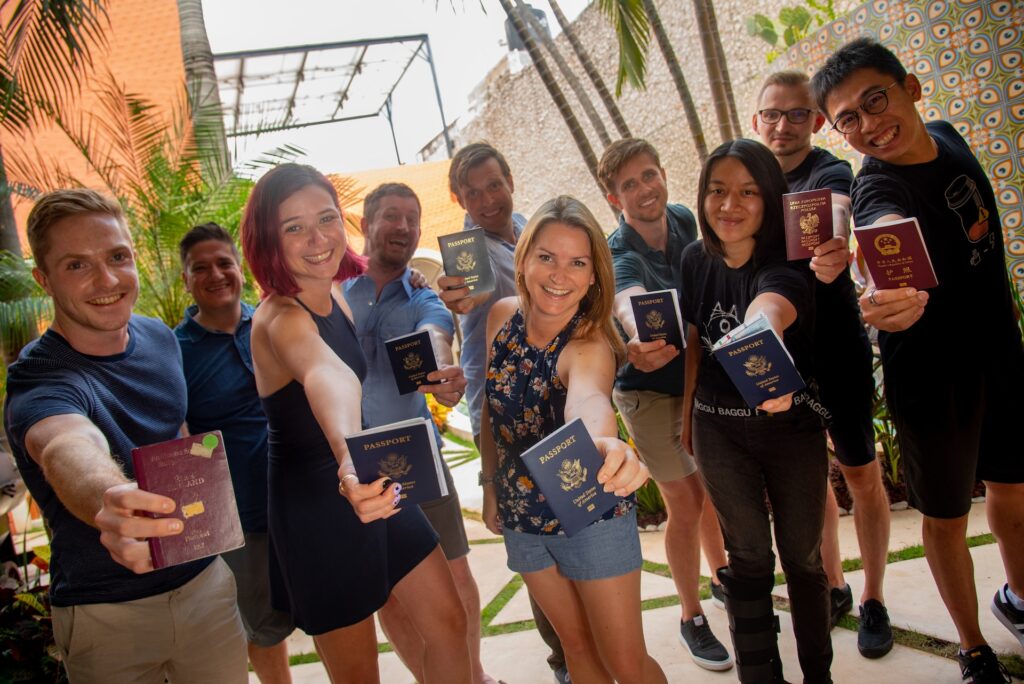
How to Apply for a Portuguese Passport After Citizenship
Once Portuguese Citizenship is approved, citizens can apply for a Portuguese passport and national ID card. The application process is straightforward and handled by registry offices or Portuguese consulates abroad.
Key steps in the passport application process include:
- Booking an appointment at a citizen service office or consulate
- Submitting proof of Portuguese Citizenship and valid identification
- Paying the official passport issuance fee
- Waiting for processing, which is faster inside Portugal than abroad
Portuguese law requires dual citizens to use their Portuguese passport when entering or leaving Portugal. The passport grants full travel and mobility rights linked to Portuguese Citizenship.
Recent Updates to Portugal Nationality Law
Portugal has proposed updates to its Nationality Law that may affect future applicants. In October 2025, parliament approved amendments that would increase the residency requirement for Portuguese Citizenship from five years to ten years for most applicants. Nationals from CPLP countries and EU citizens may face a shorter seven year requirement. These changes are not yet final and still require presidential approval.
Key points applicants should be aware of include:
- The law is not in force until formally promulgated
- Current applications continue under existing rules
- Transitional or grandfather provisions may still be introduced
- Final wording may change after constitutional review
Staying informed about legal updates is essential when planning for Portugal Citizenship, especially for those applying through residency based routes.
How We Can Help You
Through our trusted partner, Portugal Residency Advisors®, you receive complete, end-to-end support for your immigration or Portugal Golden Visa journey.
Portugal Residency Advisors® is an all-in-one consultancy with extensive experience delivering tailored residency and citizenship-by-investment solutions for international families and businesses relocating to Portugal. Based in Lisbon, their highly experienced, hands-on team has supported hundreds of clients worldwide in securing residency, citizenship, visas, property, and carefully vetted investment opportunities.
From the initial consultation through to final approval, they guide you at every stage. With a strong focus on excellence, transparency, and personalized advice, clients can expect a smooth process and genuine peace of mind when starting a new life in Portugal.
Your Questions Answered
How long do I need to live in Portugal to apply for citizenship?
Under current law, most applicants must complete five years of legal residence to qualify for Portugal Citizenship. Proposed changes may increase this requirement in the future, but they are not yet in force. Residency must be legal and documented throughout the period. Time spent under approved residence permits usually counts.
Is Portuguese Citizenship better than permanent residency?
Citizenship vs Permanent Residency differs mainly in permanence and rights. Permanent residency can expire or be lost after long absences. Portuguese Citizenship is lifelong and transferable to children. It also grants full political rights and EU wide employment access.
Can US citizens hold Portuguese Citizenship without losing their US passport?
Yes, Portugal allows dual nationality without restrictions. Portuguese Citizenship does not require renouncing US citizenship. US citizens can legally hold both passports at the same time. However, US tax obligations still apply.
Is the Portuguese language test difficult?
The language requirement for Portuguese Citizenship is set at A2 level, which is basic. It focuses on everyday communication rather than advanced grammar. Many applicants pass with short preparation courses. Some applicants may qualify for exemptions.
Does the Golden Visa guarantee Portuguese Citizenship?
The Golden Visa does not grant citizenship directly. It provides legal residence that can lead to Portuguese Citizenship after meeting residency and language requirements. Approval depends on compliance with all nationality rules. Investment alone does not guarantee citizenship.
Can I apply for Portugal Citizenship while living outside Portugal?
Yes, certain routes allow applications without living in Portugal. Portuguese Citizenship by descent and citizenship through marriage can be filed from abroad through a Portuguese consulate. Residency based routes usually require legal residence inside Portugal. Eligibility depends on the specific pathway used.
Does holding permanent residency speed up Portuguese Citizenship approval?
Permanent residency does not automatically speed up Portugal Citizenship processing. What matters most is meeting the legal residence requirement and submitting complete documentation. Citizenship vs Permanent Residency differs in legal status, not processing priority. Applications are reviewed in the order they are received.
Can children automatically receive Portuguese Citizenship?
Children may qualify for Portuguese Citizenship through their parents depending on timing and legal status. If a parent becomes a Portuguese citizen, minor children often have access to simplified procedures. Birth registration and legal family ties must be proven. Portuguese Citizenship can therefore extend across generations.